Window Installers in San Bernardino, CA
Plain answers about window installation for San Bernardino homeowners, covering inland valley heat, Santa Ana wind dust, stucco walls and the everyday questions that come up before, during and after a window project.
What We Cover
- When Is the Best Time of Year to Install Windows How summer heat, Santa Ana winds and cooler months affect sealants, foam and comfort during a window project in San Bernardino.
- Which Window Frame Materials Hold Up Best in Inland Valley Heat How vinyl, fiberglass, aluminum and wood frames behave in long hot San Bernardino summers and strong afternoon sun.
- Why Do My Windows Stick, Fog or Let in Dust Common window problems in dusty, windy, hot conditions, what causes them and which signs point to repair or replacement.
- What Should I Ask Before Hiring a Window Installer Questions that help homeowners compare window installers, written proposals and installation methods before signing anything.
- How Should I Prepare My Home for Window Installation Simple steps to clear rooms, protect belongings and get the work area ready before installers arrive.
- Retrofit or Full Frame Window Replacement for Stucco Homes How installers replace windows in stucco walls, and when keeping the old frame or removing it makes more sense.
Window Installers in San Bernardino, CA
Window installers in San Bernardino work against heat, dust and stucco. The job starts with measuring the opening, checking that the frame is square and plumb, and setting the unit so it opens, locks and drains the way the maker intended. In neighborhoods from Muscoy to the area near California State University, San Bernardino, that routine stays the same, while the details change with each wall.
Crews in San Bernardino County also work in nearby Loma Linda and Redlands, where older and newer homes sit side by side. Ask an installer to explain each step before the day begins.
Heat in the Inland Valley
Long hot summers put steady stress on frames, seals and glazing. Frame material expands and contracts every day, so sealant joints and fasteners matter as much as the window itself. Homes along the old U.S. Route 66 corridor and near the Arrowhead Springs Hotel area face the same sun load as the rest of the valley. Read the manufacturer instructions for temperature limits during installation and care.
Santa Ana Winds, Dust and Stucco
Dry Santa Ana winds push fine dust into every gap, so weatherstripping and a continuous perimeter seal do real work. Stucco is common on exterior walls here, and it shapes how a crew cuts, flashes and finishes around a window. Some jobs keep the existing frame, and others remove it down to the framing. Ask which method fits your wall and why.
Living Near the San Andreas Fault
The San Andreas Fault runs near the city, so a window must sit firmly in a well-fastened opening. Installers follow the fastening pattern in the manufacturer instructions and shim the unit evenly. Read the warranty terms to see what installation conditions they require.
Guides
The guides on this site cover home preparation, frame materials for inland valley heat, retrofit versus full frame replacement on stucco, the best time of year to install, why windows stick, fog or let in dust, and what to ask before hiring an installer.
Latest Guides
Laminated or Tempered Glass for a San Bernardino Home?
2026-10-26
Neither type wins everywhere in a San Bernardino house. Tempered glass is the better pick for doors, sidelites, low panes, and shower enclosures, and laminated glass is the better pick overhead and wherever a broken pane must stay in place. The best homes use both, matched to where a person might fall into the glass or where glass might fall onto a person.
Why the San Andreas Fault changes the question
San Bernardino sits at the foot of the mountains, and the San Andreas Fault runs along the city's northern edge. That makes shaking a planning issue here, not a remote possibility.
Glass rarely fails because shaking hits it directly. In most quakes, the frame racks out of square and pinches the pane. Corners crack first, then the break spreads. So the glass type is only one part of the answer. Edge clearance, setting blocks, and flexible glazing seals matter as much as what the pane is made of. No glass type alone prevents breakage in a major earthquake if the framing and installation are wrong.
What the glass type does decide is what happens after it breaks. That is where tempered and laminated glass part ways.
How tempered glass breaks
Tempered glass is ordinary glass that has been heated and cooled rapidly. The process makes it several times stronger than standard annealed glass of the same thickness. When it does fail, the entire pane lets go at once and turns into small, blunt cubes instead of long, sharp shards.
That behavior is why tempered glass is the standard for places where people contact glass. A fall into a tempered door is far less likely to produce a deep cut than a fall into annealed glass. Still, the cubes are not harmless. They can cut, and a large pane that breaks overhead drops a heavy mass of them.
After a break, a tempered pane leaves an open hole in the wall. Wind, dust, rain, and anyone passing by can come through until the opening is covered.
Tempered glass quirks worth knowing
- It cannot be cut, drilled, or edge ground after tempering. It is ordered to exact size, so a measuring mistake means reordering the whole unit.
- The edges are its weak spot. A chip from rough handling during installation can cause the pane to fail weeks later. Panes should be inspected for edge damage before they are set.
- Rarely, a pane breaks with no apparent cause. This is usually traced to a tiny nickel sulfide inclusion in the glass.
How laminated glass breaks
Laminated glass is two or more layers of glass bonded to a plastic interlayer, usually PVB. A hit or a racking frame cracks it in a spiderweb pattern, but the fragments stay stuck to the interlayer and the pane generally stays in the frame.
That matters most after a regional event. A cracked laminated pane still keeps out wind, dust, smoke, rain, and intruders until a replacement arrives. When installers are backed up across the Inland Empire after a big quake, that can buy days. It should not be oversold, though: laminated glass is not bulletproof, and it will not stop a determined intruder indefinitely.
Side benefits of laminated glass
- The interlayer blocks most ultraviolet light, which noticeably slows fading of floors, furniture, and artwork in the strong inland sun. It does not eliminate fading.
- It reduces noise better than single-layer glass of similar thickness, which helps bedrooms facing busy roads, freeway corridors, or rail lines.
- It keeps wind-driven debris out after a strike, which counts when Santa Ana winds funnel through the Cajon Pass and across the north end of the valley.
Laminated glass cautions
- Edges can delaminate if they sit in standing water or meet harsh solvents over time. Clouding or bubbles starting at the edge are the warning sign. Make sure frames drain, and keep ammonia-heavy or solvent cleaners off exposed edges.
- Laminated units are heavier than single tempered panes of similar size. Before retrofitting into existing sashes, confirm that rollers, hinges, and balances can carry the load. Overloaded hardware binds and breaks seals.
Where each type makes sense in a San Bernardino home
Choose tempered for the places people contact
Tempered glass fits doors, sidelites beside doors, shower and tub enclosures, panes close to the floor, and glass near stairs or landings. In each of these spots, a person can fall into the glass, and blunt fragments matter most.
Choose laminated for overhead and up high
Skylights, clerestory windows, and large second-story panes above walkways or patios are the best laminated candidates. In those spots, falling glass of any kind is the main hazard, and a pane that holds together is worth more than one that crumbles. Overhead glazing is normally laminated, or laminated on the inner pane.
Mix them in one dual-pane unit
A dual-pane window does not need the same glass in both panes. A common setup is a tempered outer pane with a laminated inner pane. The outside gets the heat resistance and strength of tempering, and the room side gets fragment retention.
Consider the foothills and the sun
In foothill areas such as Verdemont, wildfire exposure is a real concern. Tempered glass handles radiant heat much longer than annealed glass before cracking, so a home facing brush is better served by a dual-pane unit with at least a tempered outer pane.
Heat also cracks glass in a quieter way. Tinted or heavily coated glass that is partly shaded on a hot day, say by a porch beam or a tree shadow, can fail from thermal stress. Tempered or heat-strengthened glass resists this far better than annealed glass, which is worth weighing for south and west faces.
Check what is already in the house
Many ranch and tract homes from the 1950s to the 1970s in older San Bernardino neighborhoods still have original single-pane aluminum sliders and patio doors. Some of that glass is plain annealed, which breaks into large blades. Annealed glass in doors and large low windows should be the first upgrade.
Two quick checks help identify what is there:
- Look in a corner of each pane for a small etched or sandblasted mark, often called a bug. Tempered glass is usually labeled this way, and laminated glass may carry a mark too. On laminated glass, the exposed edge often shows a thin line of interlayer.
- In daylight, look through the glass with polarized sunglasses. Tempered glass often shows faint stripes or spots from the quench process. Annealed glass does not.
Bedrooms deserve a separate look. Mirrored wardrobe doors in older homes may be annealed mirror glass with no safety backing. Those doors swing or slide, and they can shatter during shaking. Replacing them with safety-backed or tempered mirror is a sensible priority.
What about safety film?
Safety film over annealed glass is a stopgap. It can hold shards together, but it does not make ordinary glass equivalent to laminated or tempered glass. Unless the film is anchored into the frame, the whole sheet can still fall out of the opening during an earthquake. Treat it as a temporary measure while proper replacement is planned.
After a quake: walk the house
After any noticeable shake, go through every window and door. Look for:
- Cracks starting at the corners of a pane
- Sashes that suddenly bind or will not lock
- Gaps in the glazing seals
- Frames that look out of square
A racked frame can stress glass that has not broken yet, and it can fail later under a minor aftershock or even a slammed door. Catching it early is cheaper and safer than waiting for the pane to drop.
A practical order of upgrades
For a typical older San Bernardino home, a sensible sequence is:
- Replace any annealed glass in doors, sidelites, and low panes with tempered.
- Swap unbacked wardrobe mirrors in bedrooms for safety-backed or tempered mirror.
- Move skylights and high panes over walkways or patios to laminated.
- Choose laminated inner panes for bedrooms facing noise, or where fading is a concern.
- Specify a tempered outer pane on brush-facing and hot, partly shaded elevations.
Because tempered glass must be ordered to exact size, careful field measurement comes first on every job. Installers who check the frame for squareness, clearances, and weight capacity before ordering will save a reorder and give the new glass its best chance of surviving the next shake.

Can New Windows Cut Traffic Noise in San Bernardino?
2026-10-26
New windows can noticeably cut traffic noise in a San Bernardino home, but the result depends on what is being replaced and how the new unit is built and sealed. A single pane aluminum slider swapped for a well-made laminated unit makes a dramatic difference. One ordinary dual pane swapped for another often makes almost none. No window will make a house beside a freeway or rail line silent, and realistic expectations are the difference between a happy purchase and a disappointing one.
Start With What You Have Now
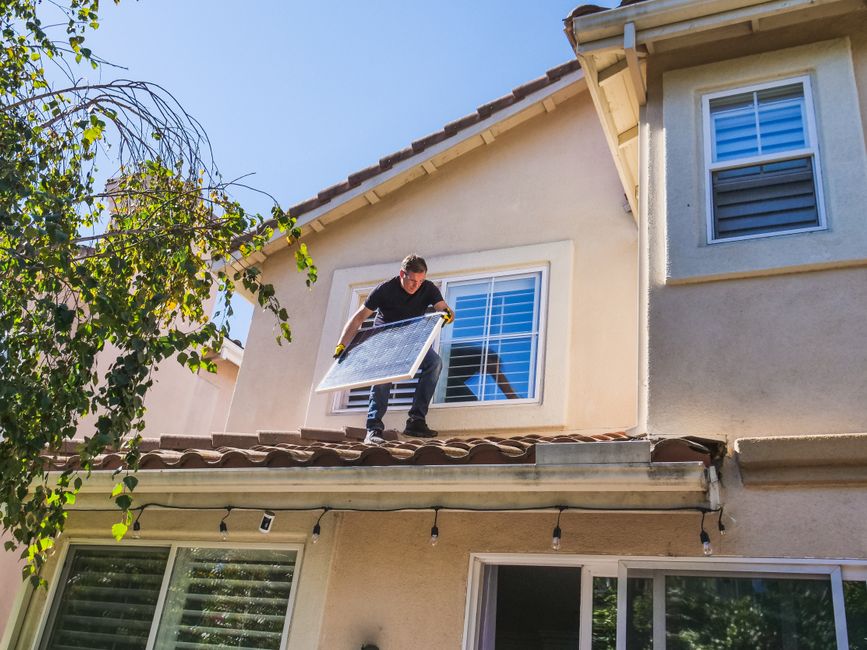
The biggest factor in how much quieter new windows will be is the condition of the old ones. Many older San Bernardino stucco homes still have single pane aluminum sliders with worn pile weatherstripping. These leak sound through thin glass, a vibrating metal frame and brush seals that no longer touch the sash. Replacing them usually produces the most noticeable improvement a homeowner will ever hear.
Homes that already have dual pane windows are a different story. Going from one ordinary dual pane unit to another ordinary dual pane unit often brings little audible change. Modest gains are the honest expectation unless the new window adds laminated glass, panes of uneven thickness or better seals.
Why Standard Dual Pane Is Built for Heat, Not Sound
A typical dual pane window has two equal panes of glass with a narrow air space between them. That design is tuned for heat control. Two identical panes tend to vibrate together at the same frequency, which lets that frequency pass through more easily. The window insulates well and still lets a surprising amount of road noise through.
The Glass Features That Actually Help
Laminated glass
Laminated glass is the single most effective glass upgrade for traffic noise. It is two layers of glass bonded with a plastic interlayer that damps vibration. Acoustic grade interlayers perform better than standard ones, so ask which type is in the quote.
Laminated glass also holds together when cracked. In a city crossed by the San Andreas Fault system, that is a useful side benefit, but it is a safety feature and not part of the acoustic rating.
Panes of different thickness
Using two panes of different thickness keeps them from resonating at the same frequency. This asymmetric glazing improves sound blocking with little added weight, and it is a sensible middle step when a full laminated unit is not in the budget.
A wider air space
A wider gap between panes improves blocking of low frequency noise. That is why an interior secondary window, set with a large gap behind the main window, can outperform an expensive replacement for a room facing a freeway.
What does not help much
Triple pane is not automatically quieter. Three panes with two narrow gaps often do no better than a well designed dual pane with laminated glass, and the extra pane mostly helps with heat. Argon and other gas fills are for insulation, and their effect on sound is negligible. Paying extra for gas fill in the hope of a quieter room is money in the wrong place.
The Rumble Problem
Low frequency noise is the hardest to stop. Heavy trucks on I-215 and I-10 produce it, and so does freight rail through the city and down from Cajon Pass. Mass, laminated layers and wide air spaces all help with rumble, while thin dual pane glass mostly does not.
Even laminated glass does not block all low frequency truck and train rumble. It reduces it. A homeowner near the tracks should expect the deep thump to soften rather than vanish, while the higher pitched hiss of tires and the sharp sound of horns drop more clearly.
Frame and Window Style
Glass gets the attention, but the frame and the way the window operates matter just as much.
- Casements and fixed picture windows compress against their seals when closed and usually block sound better than sliders.
- Sliders rely on brush seals that leak air, and air leaks carry sound.
- Fixed panes are a strong choice wherever ventilation and egress are not needed.
- Frame material counts too. Vinyl, fiberglass and wood generally transmit less vibration than plain aluminum, and multi chambered or foam filled frames do better still.
Read the Ratings Carefully
Two ratings are worth asking for: STC, the Sound Transmission Class, and OITC, the Outdoor Indoor Transmission Class. OITC weights low frequencies, so it better reflects traffic and train noise. Ask for the rating of the whole window unit rather than the glass alone, because frames and seals lower real performance. A glass-only number is not what the installed window will deliver.
Installation Decides the Result
Sound takes the weakest path. A tiny gap around a sash or frame can let in more noise than the glass itself, so airtightness matters as much as the glass package.
Fill the gap properly
The space between the new frame and the opening should be filled with low expansion window foam or backer rod and flexible sealant, with sealant on both sides. Shims alone leave an open air path. Spraying expanding foam everywhere is not the answer either, since the right material in the right place is what counts.
Retrofit versus full frame
Most local stucco homes get retrofit, or insert, windows set inside the old frame so the stucco is not cut. That approach works well, but any gap between the old frame and the new unit, and any leak in the old frame itself, must be sealed, or noise bypasses the new glass. Full frame replacement allows a tighter seal but disturbs the stucco and needs patching.
Keep the weep holes open
Weep holes at the bottom of the frame let water drain and must stay open. Sealing them to stop noise traps water. Some designs use baffled weeps that drain while limiting sound, which is worth asking about.
Use sealant that stays flexible
Hot inland summers, cool nights and direct afternoon sun on west facing walls make frames expand and contract. Hard or cheap caulk cracks and reopens noise paths within a few seasons.
Keep the Windows Closed to Get the Benefit
A closed window is a quiet window. Homes cooled by evaporative coolers need a window or vent open to let air exhaust, which defeats much of the noise reduction. With refrigerated air conditioning, the windows can stay shut and the full benefit is realized. That is worth weighing before spending on acoustic glass.
Other Paths That New Windows Will Not Fix
Noise finds the next weakest route once the windows are tight. Check these:
- Exterior doors and their thresholds
- Attic and roof vents
- Wall mounted AC units
- Fireplace flues
- Mail slots and pet doors
Stucco walls themselves usually block sound reasonably well, so the openings are where the work is.
Where to Spend First
Bedrooms and living spaces facing the busiest road get the biggest return from laminated or acoustic units. Rooms on the quiet side can often take standard glazing. In the north end, including Verdemont, focus on the walls that face the freeway and rail corridor. The same logic applies to homes near the California State University, San Bernardino campus area or any arterial with steady traffic: treat the loud side first.
Testing the Work and Keeping It Quiet
After installation, check for leaks rather than assuming. On a windy day, hold incense or a candle near the sash and frame joints. Smoke drift or flicker means an air leak. At night, look from inside for light around the frame. Listen for a change in pitch, which can mean a seal is not compressing.
Santa Ana winds and the dust they carry wear down weatherstripping and can make loose sashes whistle. Inspect seals and weatherstripping once a year, ideally after the windy season, and replace them when they flatten, tear or show light.
What About Curtains and Film?
Heavy curtains and cellular shades soften echo and some higher frequency noise inside a room. They do little against engine and train rumble and are no substitute for a sealed, laminated window. Window film does not match the results of acoustic glazing either.
A Realistic Expectation
For a San Bernardino homeowner near a busy road, the best outcome comes from combining the pieces: laminated glass with an acoustic interlayer or uneven pane thickness, a casement or fixed frame in the loudest rooms, a whole-unit rating that favors OITC, and an install that seals every air path with flexible material. Done that way, traffic noise drops in a way that is easy to notice, and rail and truck rumble becomes softer and less intrusive, even though it never disappears completely.